Packing for the Edge of the World
The philosophy of weight, utility, and timeless garments when heading into raw wilderness climates.
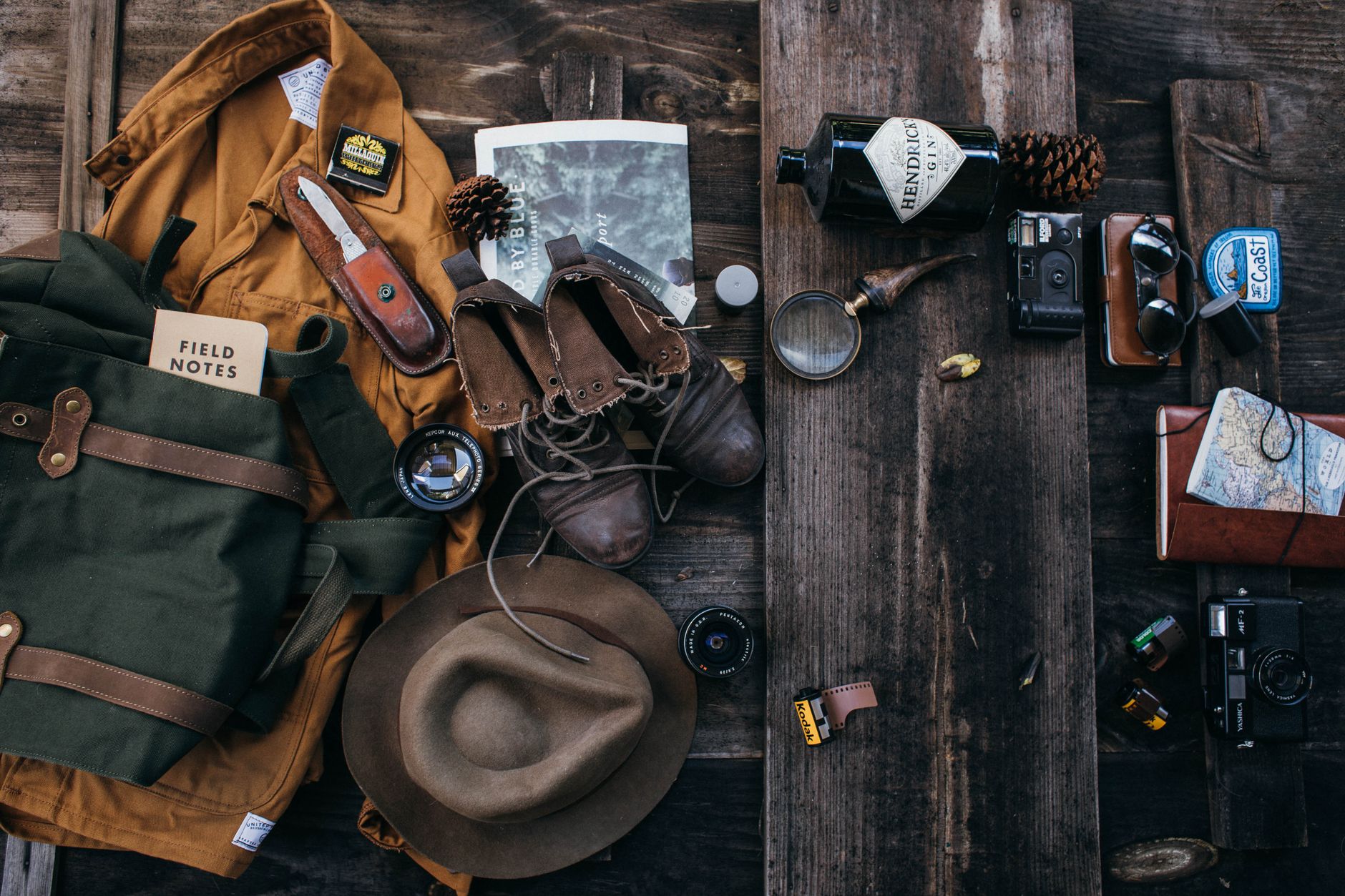
Table of Contents
1. The Burden of Excess Baggage
Every superfluous item carried across a Patagonian pass or onto an Alaskan sea plane extracts mental bandwidth. When you overpack, you carry your fears instead of your curiosity.
We advise our readers to restrict their luggage to a thirty-five-liter waxed canvas or lightweight ripstop pack. By imposing a physical volume limit, you force honesty into every packing decision.
2. Natural Wools and Weatherproof Membranes
Synthetics retain odor and generate microplastics, whereas superfine merino wool naturally regulates body temperature, wicks moisture, and remains fresh over weeks of repeated trekking.
Layering must operate as an adaptable system: a merino base layer, a thick boiled wool mid-layer for warmth retention, and a silent, unlined waterproof shell to deflect punishing winds.
3. Analog Tools for Uncharted Territories
In freezing temperatures, lithium-ion phone batteries drain in minutes. Never rely exclusively on satellite navigation. A mechanical watch, a liquid-filled compass, and a water-resistant notebook with a 2B pencil are steadfast allies.
Writing notes by hand while perched on a granite boulder forces you to observe subtle light shifts, wind changes, and topographic nuances that a digital camera snap easily forgets.
Prepare for Your Next Expedition
Receive our full gear audit and packing lists by contacting our editors.
Request Field Checklist