Chasing Umami in Kyoto Backstreets
Past the lantern-lit lattices of Gion lies an ancient culinary code woven from kombu kelp, aged bonito, and silent mastership.
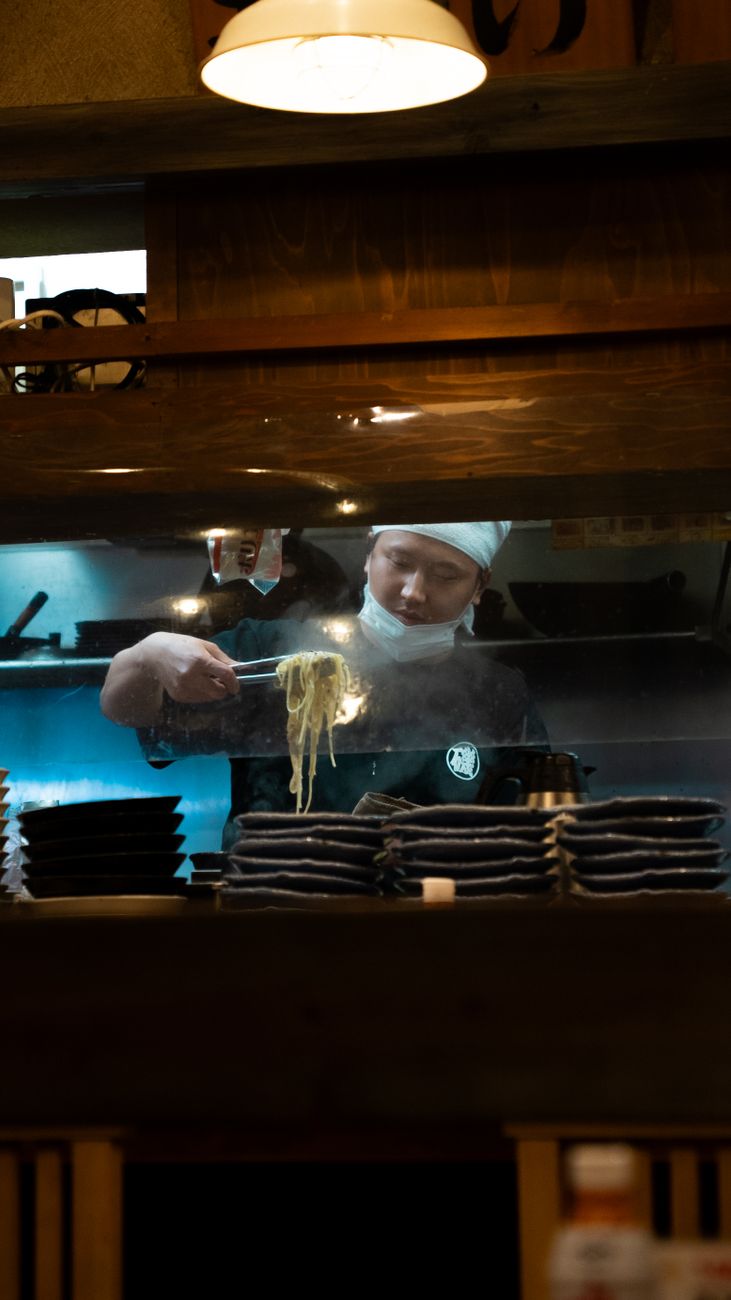
Table of Contents
1. The Alchemy of Soft Water and Kelp
In Kyoto, gastronomy does not begin in copper pots or flame; it begins deep within the subterranean water table beneath the basin. The groundwater is exceptionally soft, allowing the subtle glutamates of Rishiri kelp to unfold without harsh calcium antagonism.
Standing beside Master Sato at dawn, we watch him test the temperature of a simmering pot with the palm of his hand hovering inches above the broth. There are no digital timers. The bonito flakes fall like autumn leaves and steep for precisely the duration of two deep breaths before being poured through bleached linen.
2. An Eight-Seat Counter in Miyagawacho
To experience true Kaiseki is to submit to the seasonal calendar. A bowl of clear soup containing a delicate quenelle of pike conger eel, decorated with a shaving of young yuzu rind, is served in lacquered bowls darkened by seventy years of steam.
Each course is a miniature poetic stanza reflecting the immediate week—not merely the season, but the micro-phase of the moon and the arrival of wild mountain mushrooms.
3. Omotenashi without Theatricality
In modern dining, excess performance often masks mediocre preparation. In Kyoto's quietest counters, there is no boisterous shouting. Guests speak in hushed appreciation; the chef moves with the precision of a calligrapher.
As you step back into the narrow lane under a gentle evening rain, the lingering essence of smoked bonito remains on your palate, reminding you that true luxury is restraint.
Commission a Japanese Culinary Itinerary
Gain access to unadvertised heritage counters and tea ceremonies curated by Kenji Takahashi.
Contact Our Desk